





The mould is the most expensive and least visible part of a plastic product. Once the steel is cut, design mistakes are slow and costly to correct, so the supplier you choose has a direct effect on part quality, launch dates and unit cost for years. These are the checks we recommend to buyers – including when they are evaluating us.
1. Engineering before price
Ask how the supplier reviews your part before quoting. A capable toolmaker returns a design-for-manufacturing (DFM) report that covers draft, wall thickness, gate location, parting line, undercuts and expected shrinkage, and runs a mould flow analysis for anything beyond a simple part. If the first thing you receive is only a price, the engineering questions will surface later – usually at T1.
2. What is really done in-house
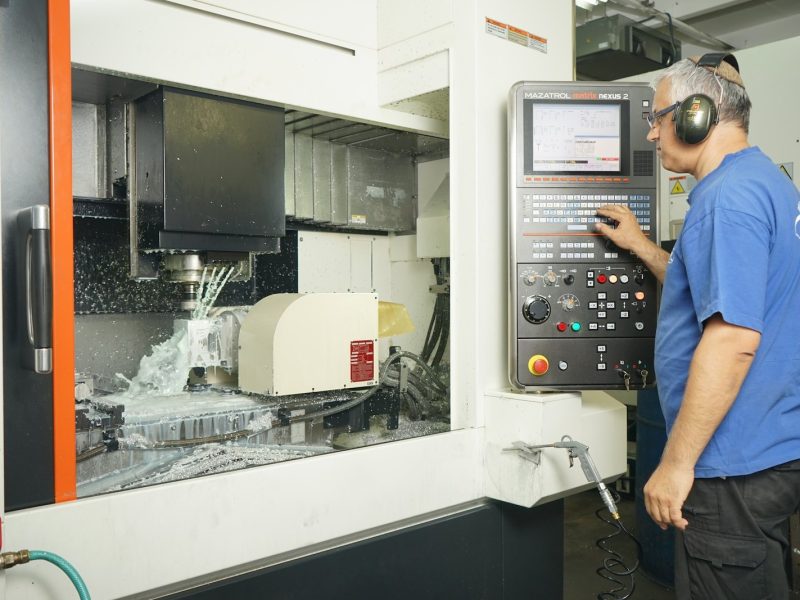
Many “manufacturers” design in one place, machine in another and mould somewhere else. Each hand-over adds delay and blurs responsibility. Ask to see the CNC, EDM, wire-cutting and grinding equipment, the moulding floor and the inspection room. At China United Mould, design, tool making, moulding on 50–1300 ton presses, secondary operations and assembly are carried out in our own plants in Huizhou and Dongguan.
3. Experience with parts like yours
A supplier who has built moulds for similar geometry, material and cosmetic requirements will anticipate problems you have not thought of yet. Ask for examples in your industry – automotive lighting, thin-wall packaging, medical disposables or cosmetic electronics housings each have their own pitfalls.
4. Steel, mould base and standards
Agree in writing which steel is used for cavities, cores and inserts (for example P20, 718, H13, S136 or NAK80), its hardness, the mould base standard (LKM, HASCO or DME), hot-runner brand and the expected mould life. Request material certificates. These details decide how long the tool lasts and how easily it can be maintained by another moulder later.
5. Quality system and records
An ISO 9001 certificate is a starting point, not a guarantee. Ask what you will receive with samples: a full dimensional report, CMM data, material certificates and, where needed, capability studies or PPAP documents. See how we handle this on our Quality & Reliability page.
6. Communication and project control
You should have one project engineer who speaks your language, a schedule with clear milestones (design freeze, steel order, T1, sample approval) and regular progress photos. Time zones matter less when updates arrive without having to ask for them.
7. Total cost, not tooling price
A cheaper mould that needs extra trials, runs a slower cycle or wears out early is not cheaper. Compare cycle time, cavitation, expected scrap rate and maintenance cost alongside the tooling quote, and confirm that you own the mould and its design data once it is paid for.
A short checklist
- DFM report and mould flow analysis included in the quotation stage
- Tool room, moulding and inspection under one roof
- Steel grades, mould base and hot-runner brand written into the order
- Sample approval with full dimensional report
- Named project engineer and milestone schedule
- Clear mould ownership and export packing
Have a part to discuss? Send your drawing or 3D file to info@chinaunitedmould.com or use our inquiry form – our engineers reply with a quotation and DFM suggestions.