





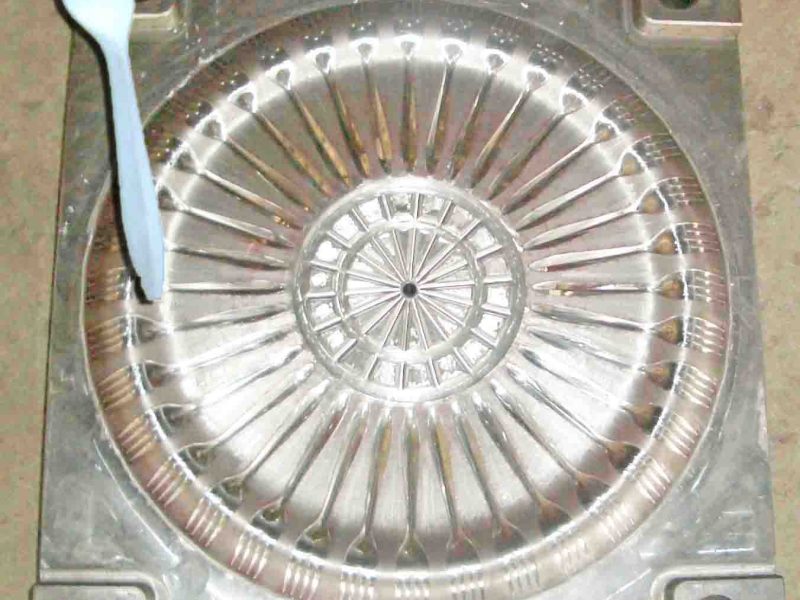
These are the questions we are asked most often about the moulds we design and build in our own tool room. If yours is not here, ask our engineers.
Which steel will you use for my mould?
It depends on the number of parts, the resin and the surface finish. Typical choices are pre-hardened P20 or 718 for medium volumes, hardened H13 for long runs and abrasive or glass-filled materials, and S136 or NAK80 where a high polish or corrosion resistance is needed. Steel grade and hardness are written into the quotation, and material certificates are available.
Which mould base standards do you work to?
We build on LKM, HASCO or DME mould bases and standard components, so spare parts are easy to source wherever the mould runs.
Hot runner or cold runner?
Hot runners save material and cycle time and suit high volumes, multi-cavity tools and cosmetic parts. Cold runners cost less to build and are often the better choice for low volumes or frequent colour changes. We recommend one or the other in the DFM report and can fit the hot-runner brand you specify.
How long will the mould last?
We size the steel, hardness and cooling to the life you need – from short-run tools to production moulds for a million shots and more. Expected mould life is stated in the quotation.
How long does it take to get first samples?
Depending on size and complexity, from 3 to 30 days. You receive T1 samples with a dimensional report, and we agree any corrections before the next trial.
Who owns the mould?
You do, once it is paid for. The design data belongs to you as well. We can run production for you or pack the mould for export to your own moulder.
Can you build moulds for export to run in our own factory?
Yes. Export moulds are built to your press specification and standards, trialled on our presses, protected against rust and packed in wooden crates, with drawings, spare parts lists and trial samples.
Can you modify or repair an existing mould?
Yes. Our tool room handles engineering changes, repairs and maintenance on moulds we built and on transferred moulds, after an assessment of their condition.
What tolerances can you hold?
Achievable tolerances depend on material, part size and geometry. As a guide we work to ISO 20457 / DIN 16742 tolerance groups and discuss critical dimensions during DFM, including whether steel-safe allowances are needed for final tuning.
Can you add textures, logos or text to the mould?
Yes. Logos and text can be engraved in the mould, and surfaces can be polished to a mirror finish or textured to common VDI and MT standards.
Have a part to discuss? Send your drawing or 3D file to info@chinaunitedmould.com or use our inquiry form – our engineers reply with a quotation and DFM suggestions.