





Questions we often hear from product developers before tooling starts.
I have an idea but no CAD data – can you help?
Yes. Under our ODM service our engineers can turn sketches, a reference sample or a functional specification into a 3D design, make prototypes for you to test, then build the mould and produce the parts.
Will my design be kept confidential?
Yes. We sign a non-disclosure agreement before you send files, and project data is only shared with the engineers working on your project.
Can you check my design before I order a mould?
Every quotation includes a DFM review covering draft, wall thickness, undercuts, gate position, parting line and likely cosmetic issues, with mould flow analysis where useful. See our plastic part design guide for the basic rules.
Can I test parts before the mould is built?
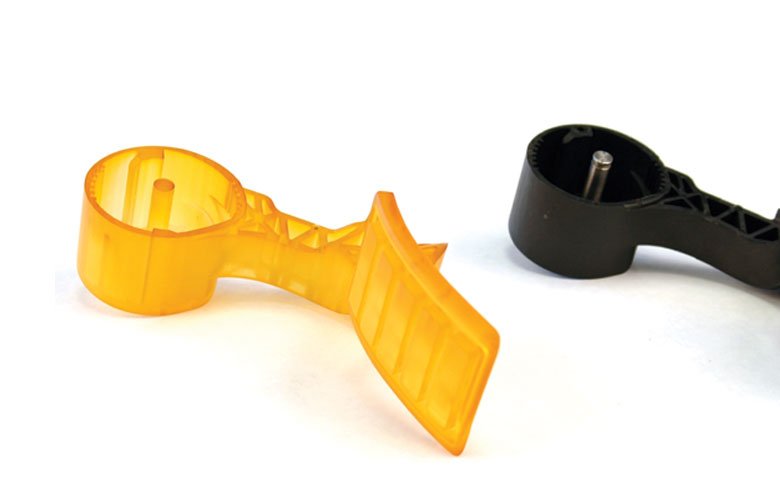
Yes. We offer 3D printing for fast form-and-fit models, CNC-machined prototypes in the real material and vacuum casting for small batches of 10–50 parts with near-production properties. Read more about rapid prototyping.
Which file formats do you accept?
STEP and IGES are preferred for 3D models; we also work with Parasolid, SolidWorks, UG/NX, Creo (Pro/E) and DWG/DXF or PDF drawings.
What should I send for a quotation?
Your 3D model or drawing, the material (or required properties), annual quantity, colour and finish requirements, and any critical dimensions or standards that apply.
Can you modify standard enclosures instead of making a new mould?
For small quantities, yes – holes, openings and text can be CNC machined into existing housings, which is often more economical than new tooling.
Have a part to discuss? Send your drawing or 3D file to info@chinaunitedmould.com or use our inquiry form – our engineers reply with a quotation and DFM suggestions.