Case study · Electrical · Germany
Aluminium socket outlet housings: 1+1 family die-casting die, repeat orders 2019–2025
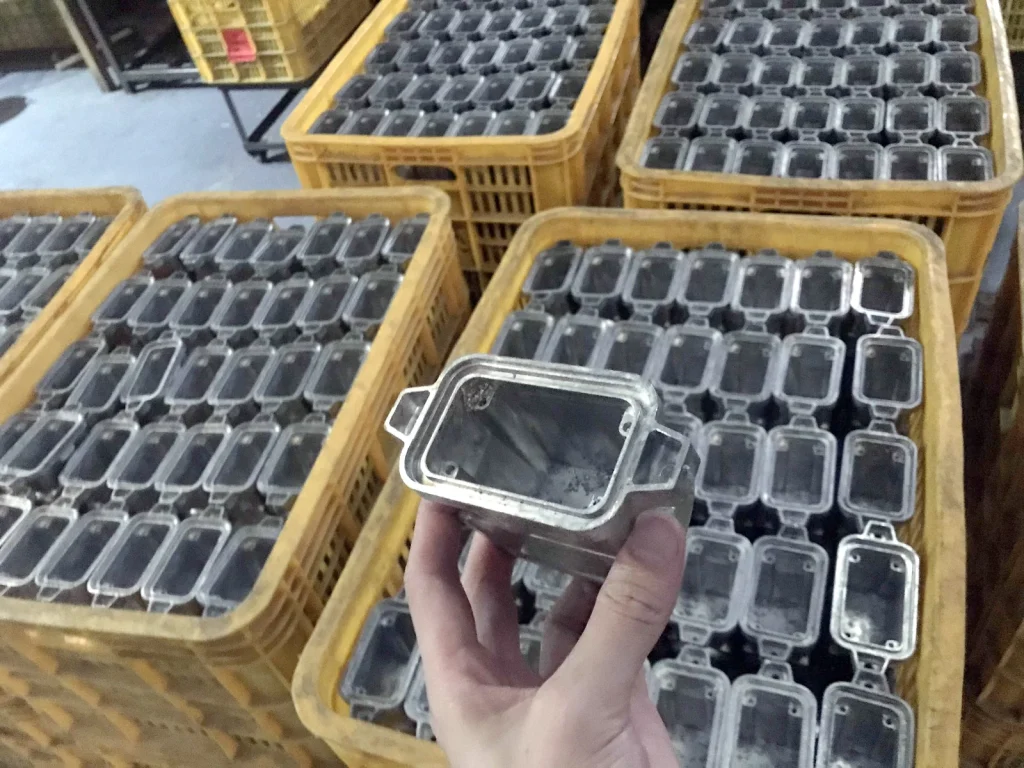
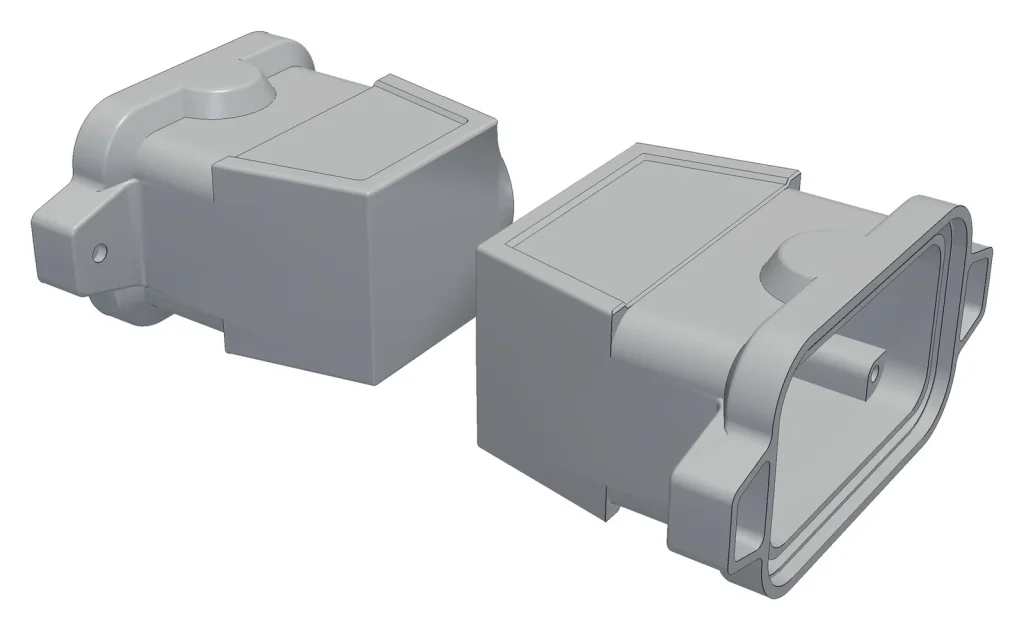
A customer in Germany sent us a 2D drawing of a socket outlet housing and asked for tooling and part prices. We quoted in two days and built one die-casting die that casts both housings of the pair in a single shot. The same die has run repeat orders up to 2025.
Industry: Electrical · Customer location: Germany · Years: 2019–2025
At a glance
| Parts | Two aluminium housings for a socket outlet with cover |
|---|---|
| Material | ADC12 aluminium alloy |
| Size | 96 × 53 × 71 mm and 109 × 53 × 71 mm |
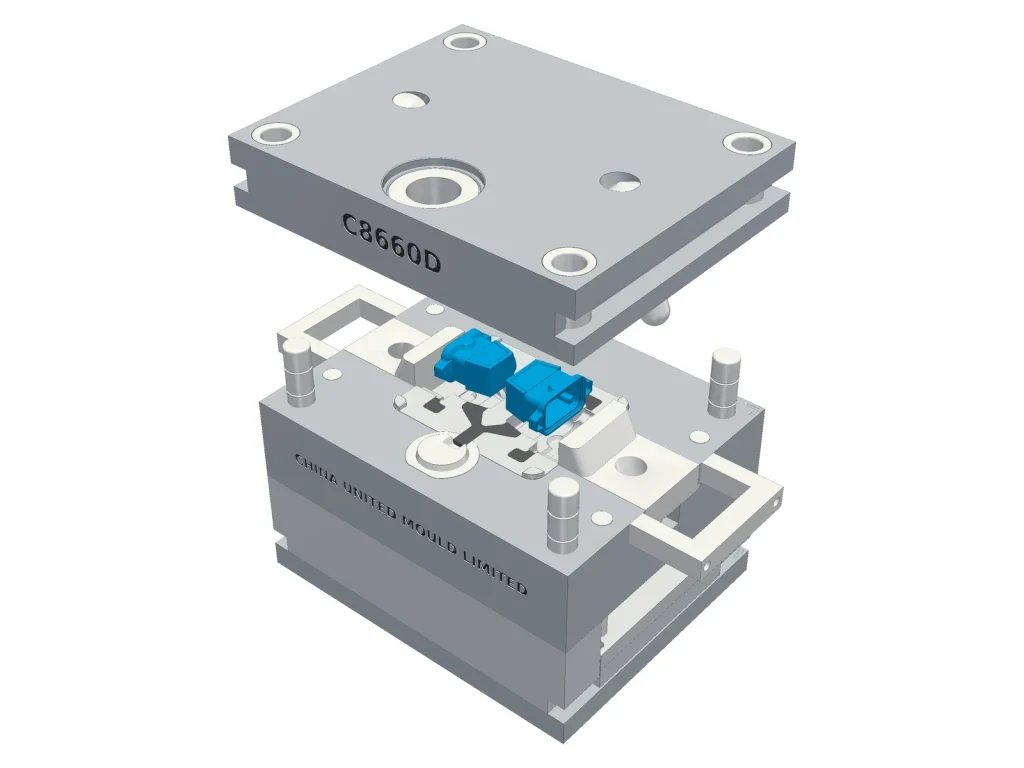
| Die | 1+1 family die – both housings in one shot; H13 cavity and core, S50C base; 200 T die-casting machine |
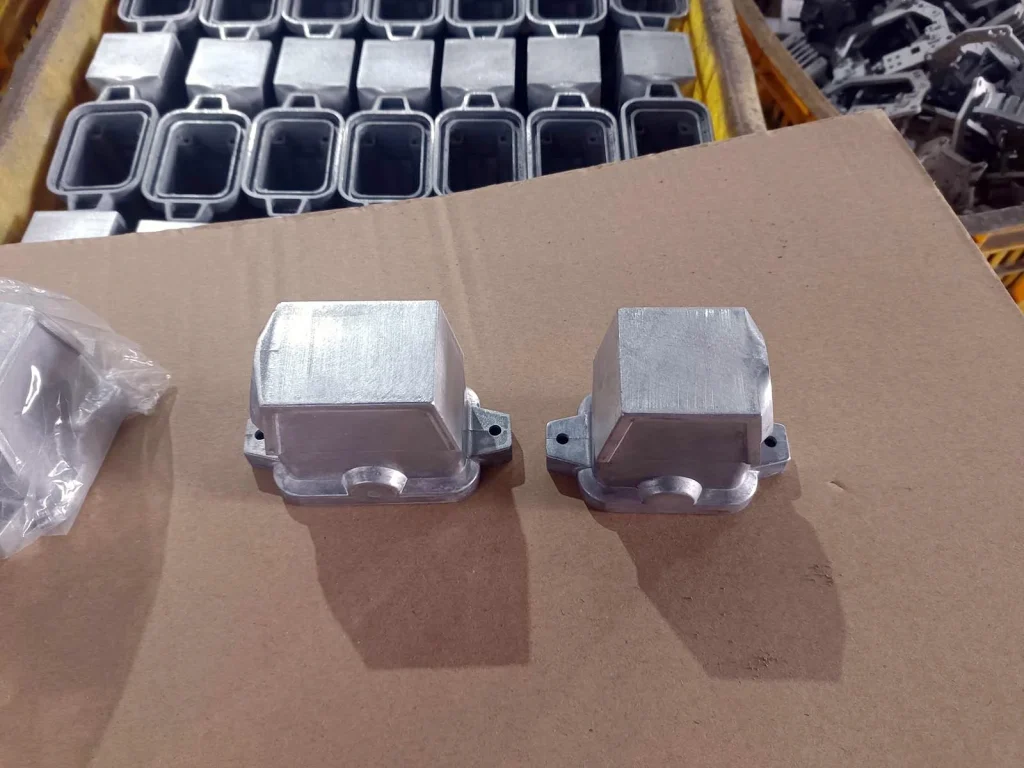
| Finish | Deburred and vibratory finished, not sand blasted; parting lines polished; mounting holes machined after casting |
| First order | 5,000 + 3,500 parts |
| Repeat orders | 2020, 2022, 2024, 2025 – same die |
Timeline
From deposit to the first shipment in 112 days
- Day 0Deposit & DFM
DFM report sent the same day
- Day 7Parting line
Proposal accepted by the customer
Customer approval - Day 12Die design
Approved – steel cutting starts
Customer approval - Day 90T2 approved
Samples and inspection report approved
Customer approval - Day 112Air freight
First 500 parts packed
- Day 138Sea freight
Main batch handed to the forwarder
Step 1
The request
The customer sent a 2D drawing of the housing with a target of 3,000–4,000 pieces and asked for tooling and parts to be quoted separately; the 3D data would follow the quotation. We quoted two days later. The quotation put both housings of the pair into one 1+1 family die, and the customer ordered the die with the first production run.
Step 2
DFM report – on the day of the deposit
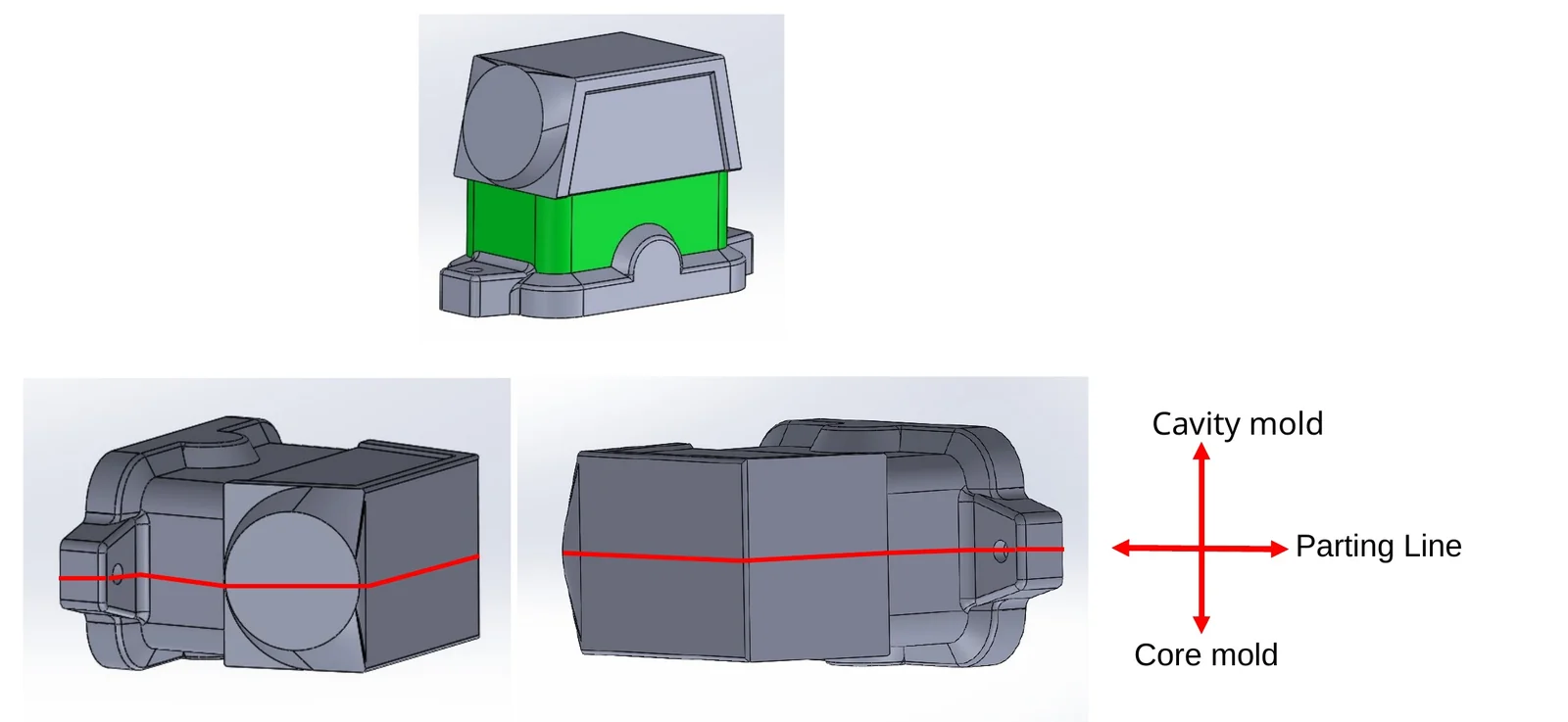
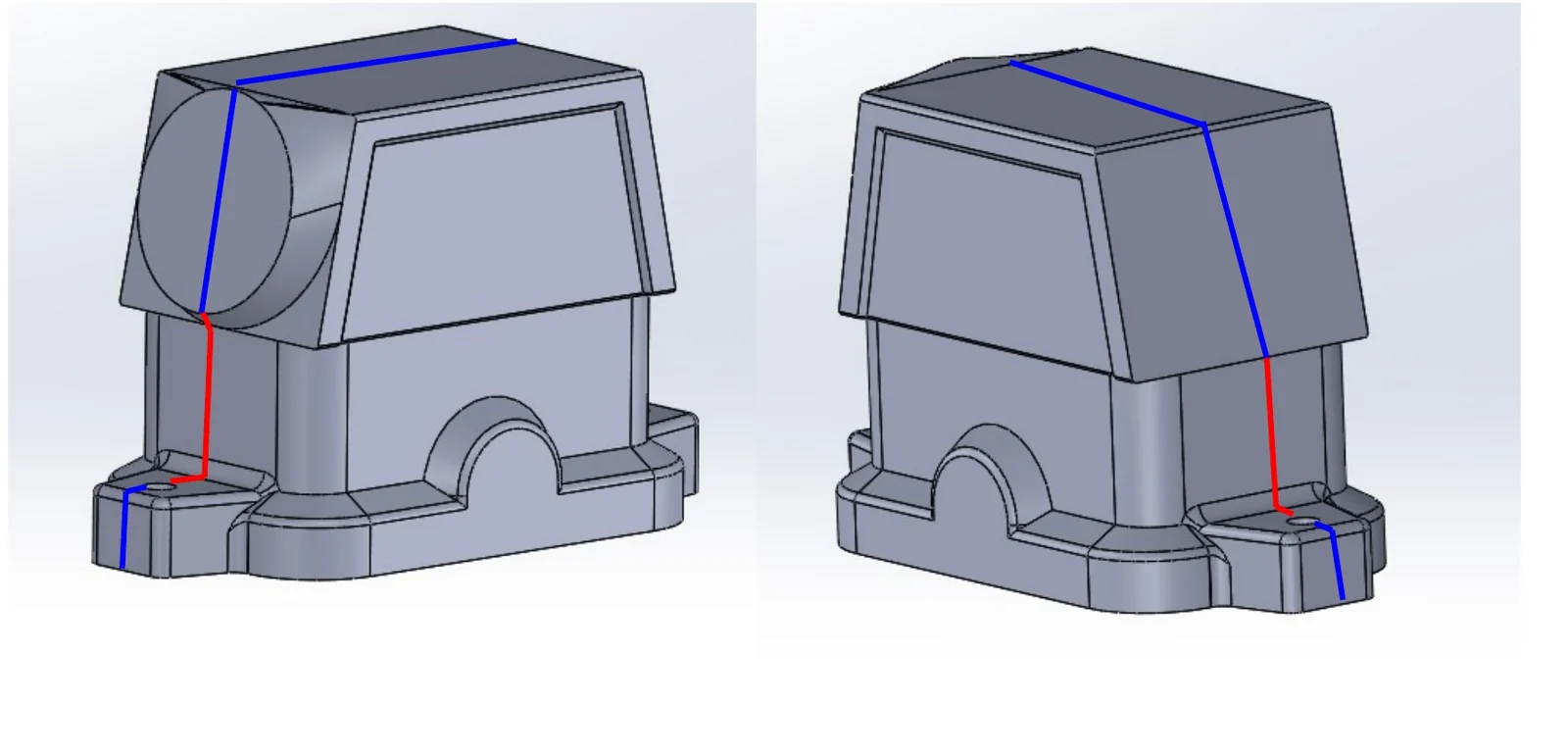
- Parting line – the middle of both housings narrows inwards, so a normal parting would not release. We rotated the parts 90° in the die and showed the customer where the extra parting lines would be.
- Polishing – parting lines are polished after casting; a few areas are too narrow to polish. The customer accepted this as long as the surfaces got manual grinding and vibratory finishing.
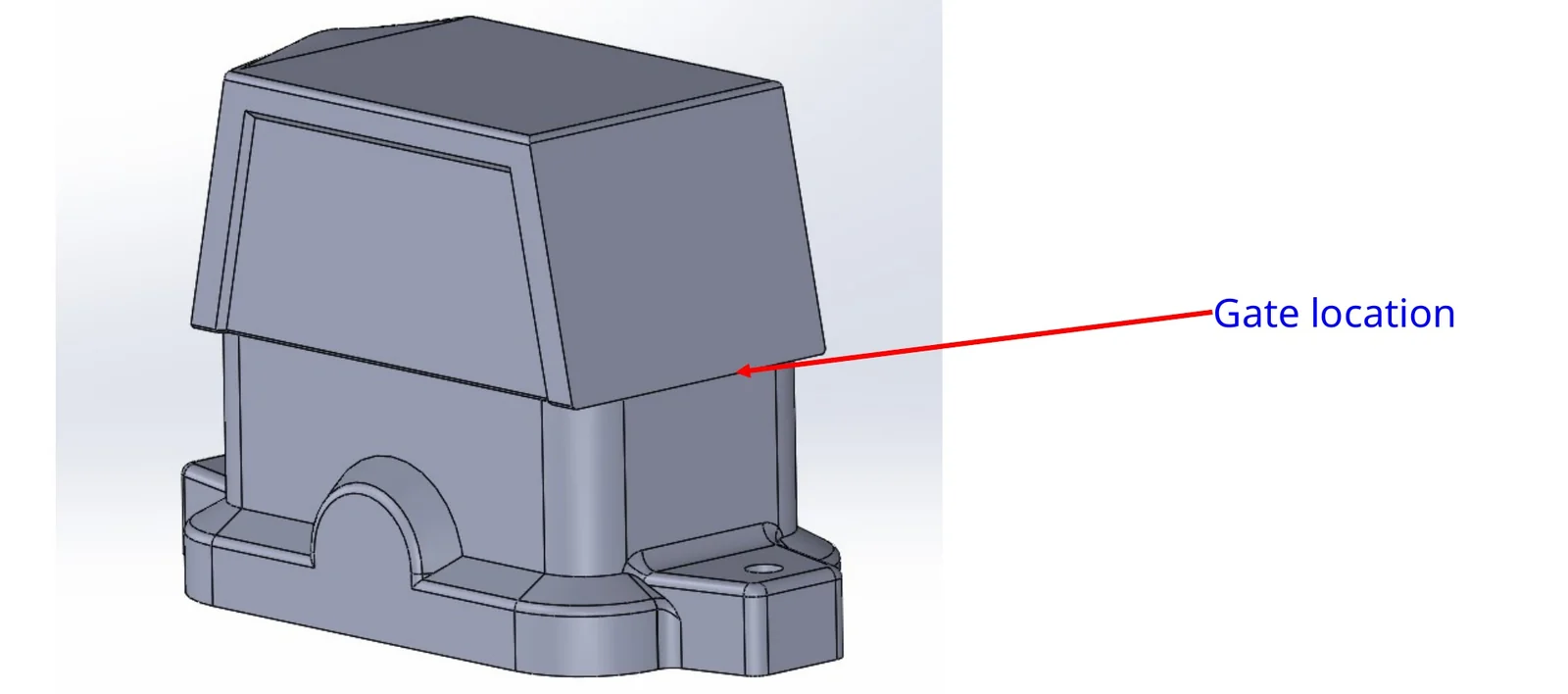
- Gate – gate position placed off the main surface.
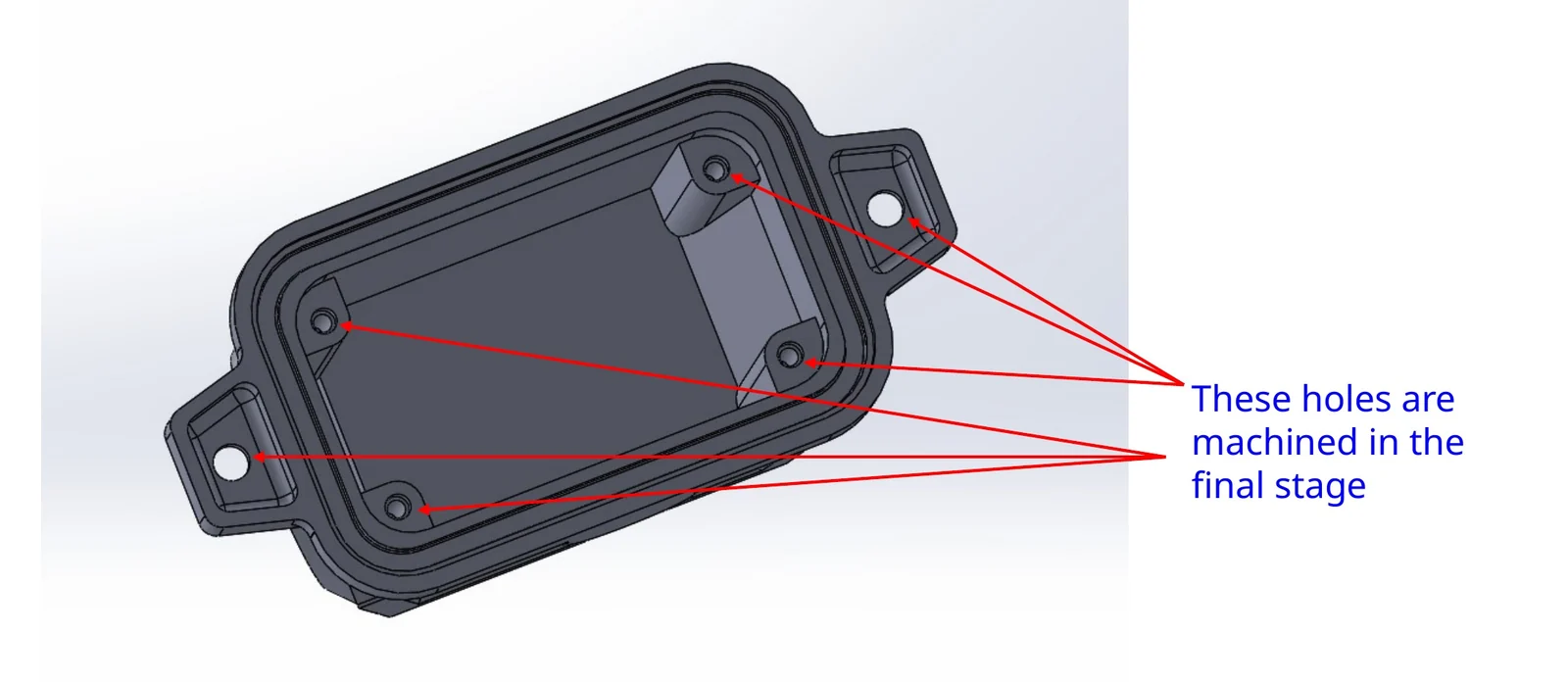
- Machining – the mounting holes are machined after casting.


Step 3
Die design review
The full 3D die design went to the customer on day 10. They approved it two days later and toolmaking started.
Step 4
Samples and dimensions
After the first samples were measured, the customer asked us to correct the die and send a new inspection report instead of new samples. The T2 inspection report was approved on day 90 and production started.
Step 5
Production, shipment and repeat orders
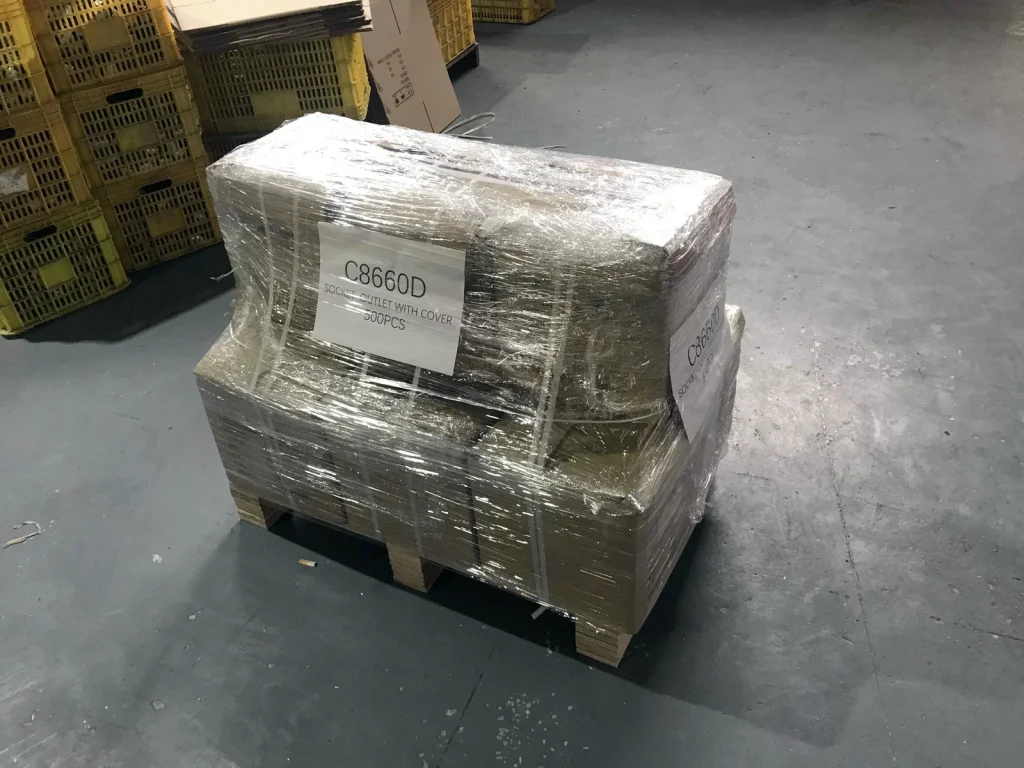
The customer’s own customer needed the larger housing first, so the first 500 pieces went by air freight while the rest of the batch followed by sea. The same die has since run repeat orders in 2020, 2022, 2024 and 2025.