How a mould is made
From your drawing to approved samples
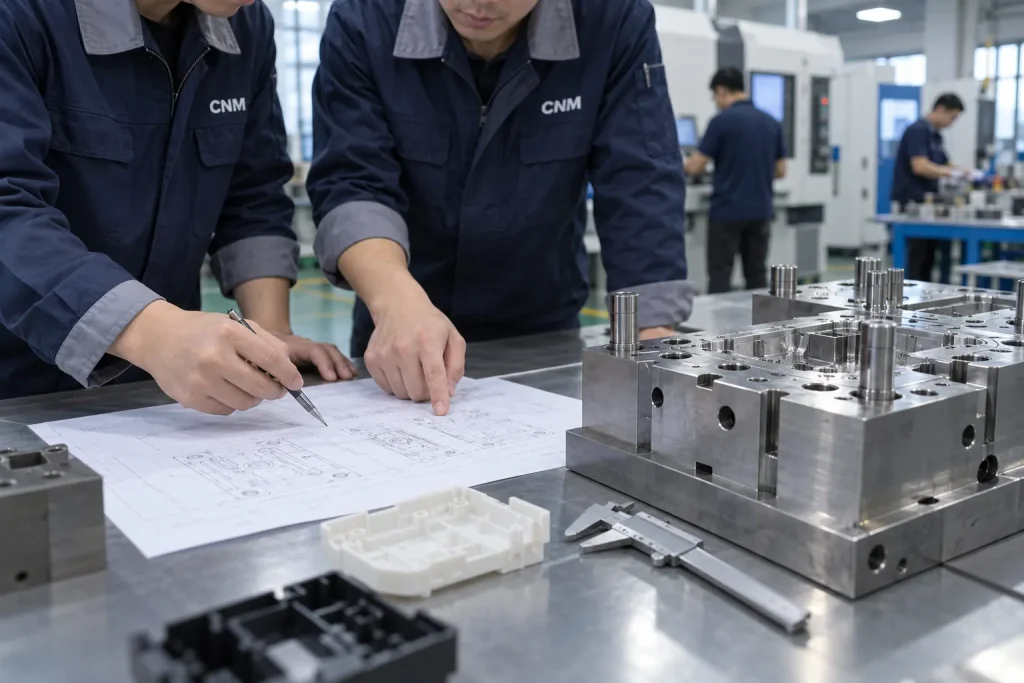
Every injection mould (mold) we build follows the same controlled route through our own tool room. Design, machining, fitting and trials all happen under one roof, so changes and sample feedback go straight to the people building the tool.
Depending on size and complexity, first T1 samples are ready in 3 to 30 days, and 90% of our new moulds are approved after one or two trials.
The mould making process, step by step
- 1. RFQ: you send a 3D model or drawing, material, quantity and finish – under NDA if needed
- 2. DFM review and mould flow analysis, sent with our quotation
- 3. Order and 3D mould design, approved by you before steel is cut
- 4. Mould steel ordered to the agreed grade, with certificates
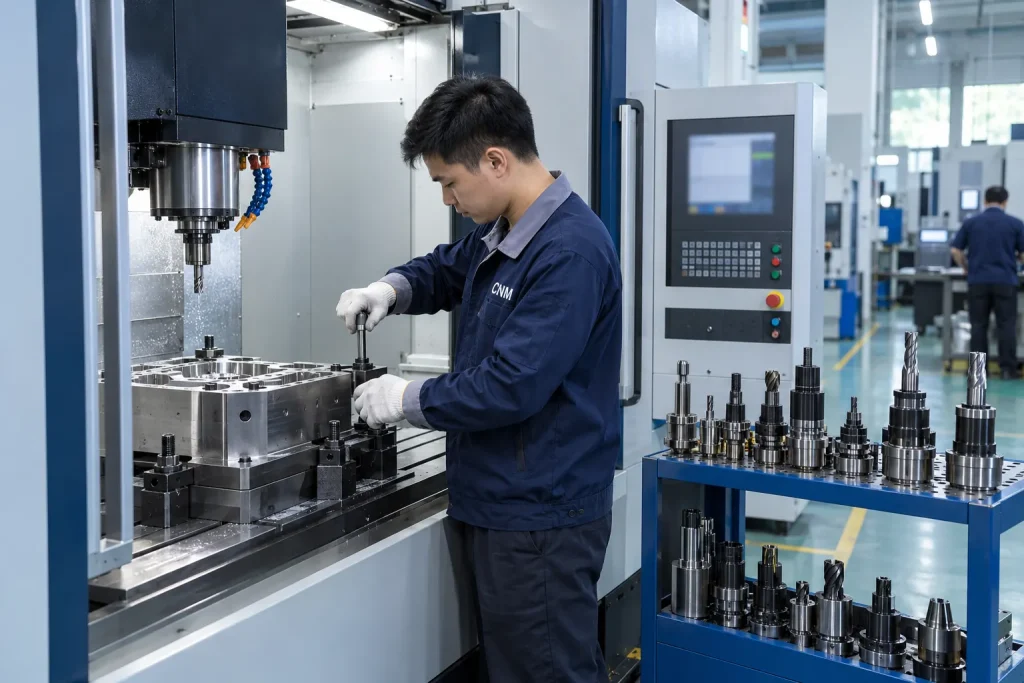
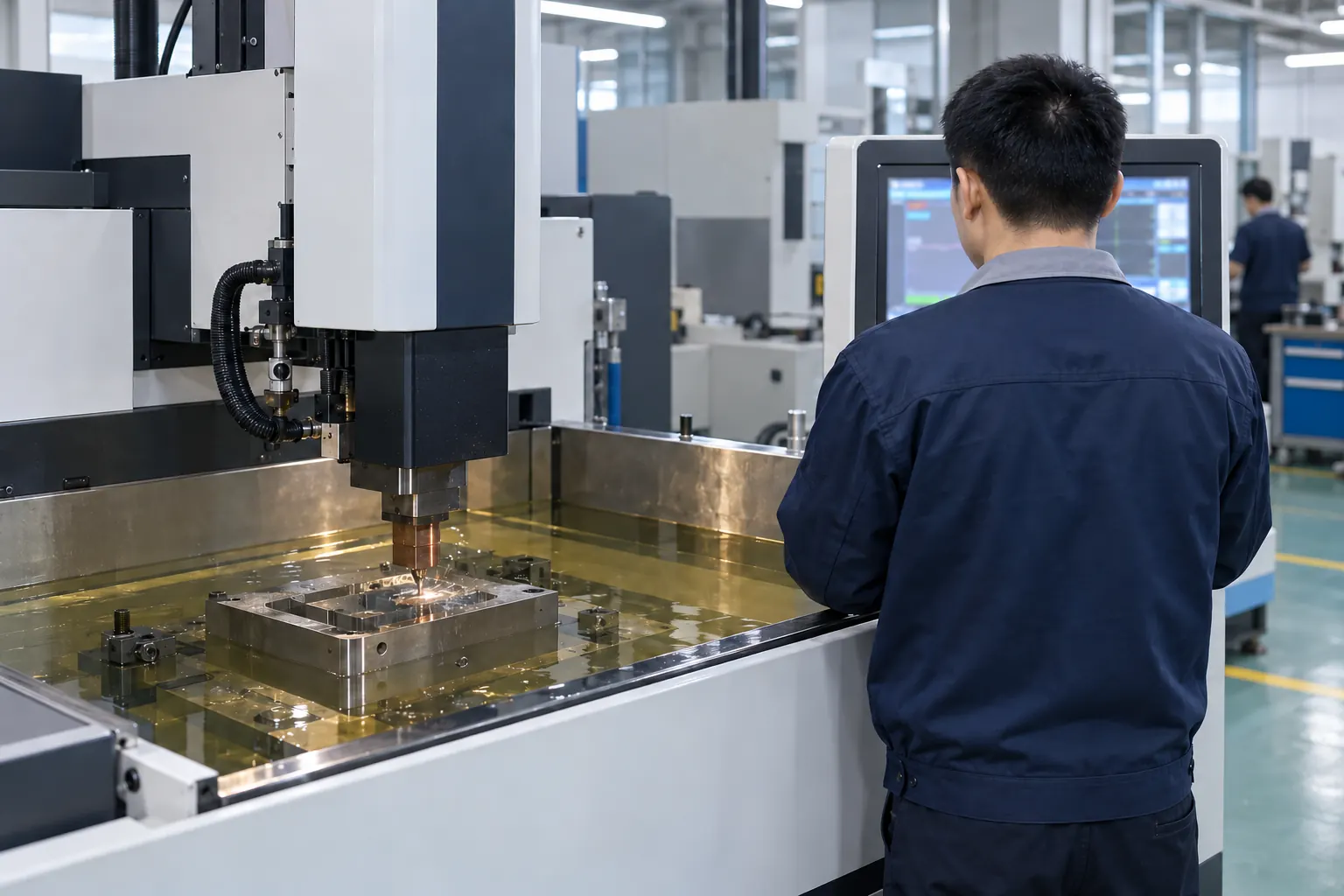
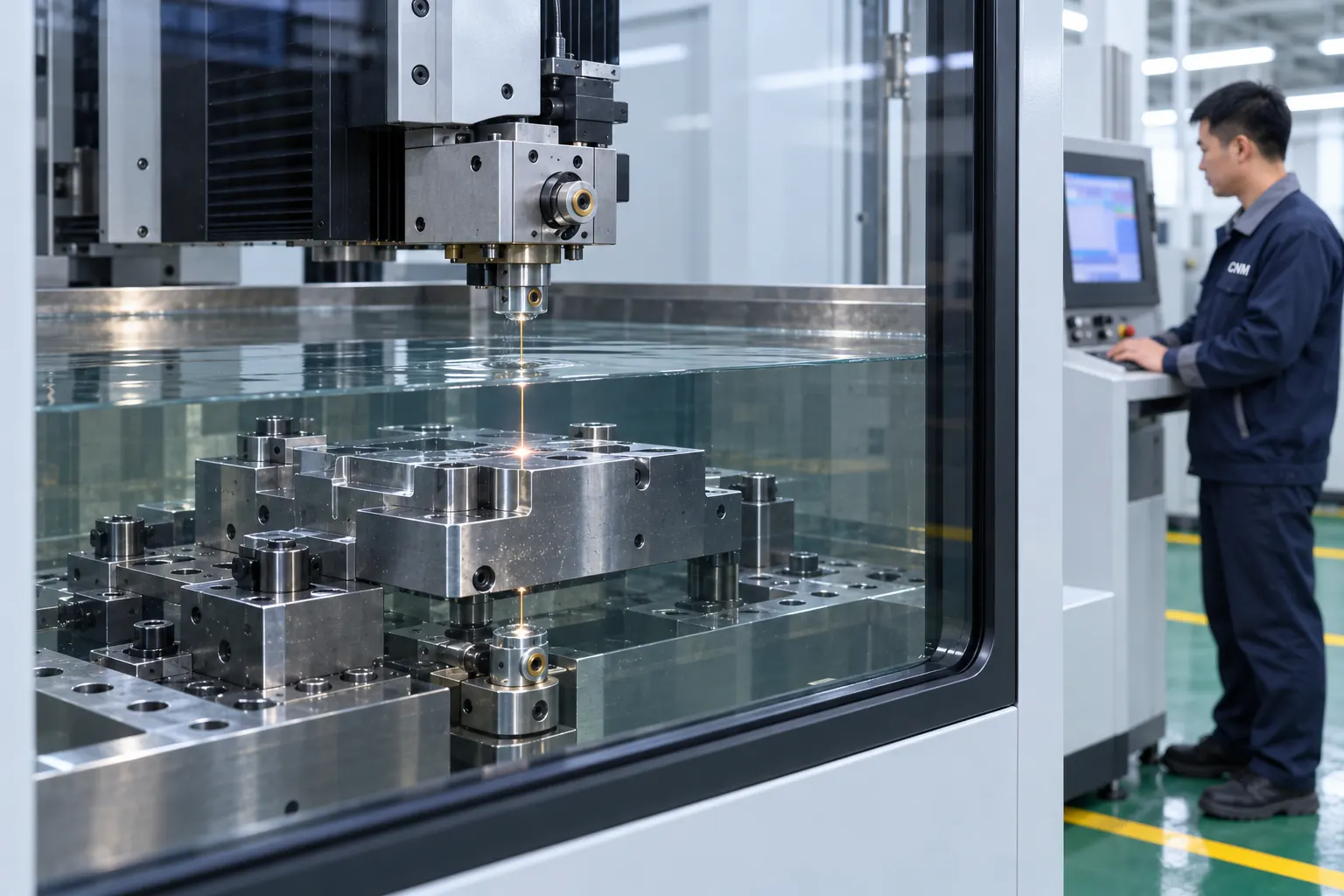
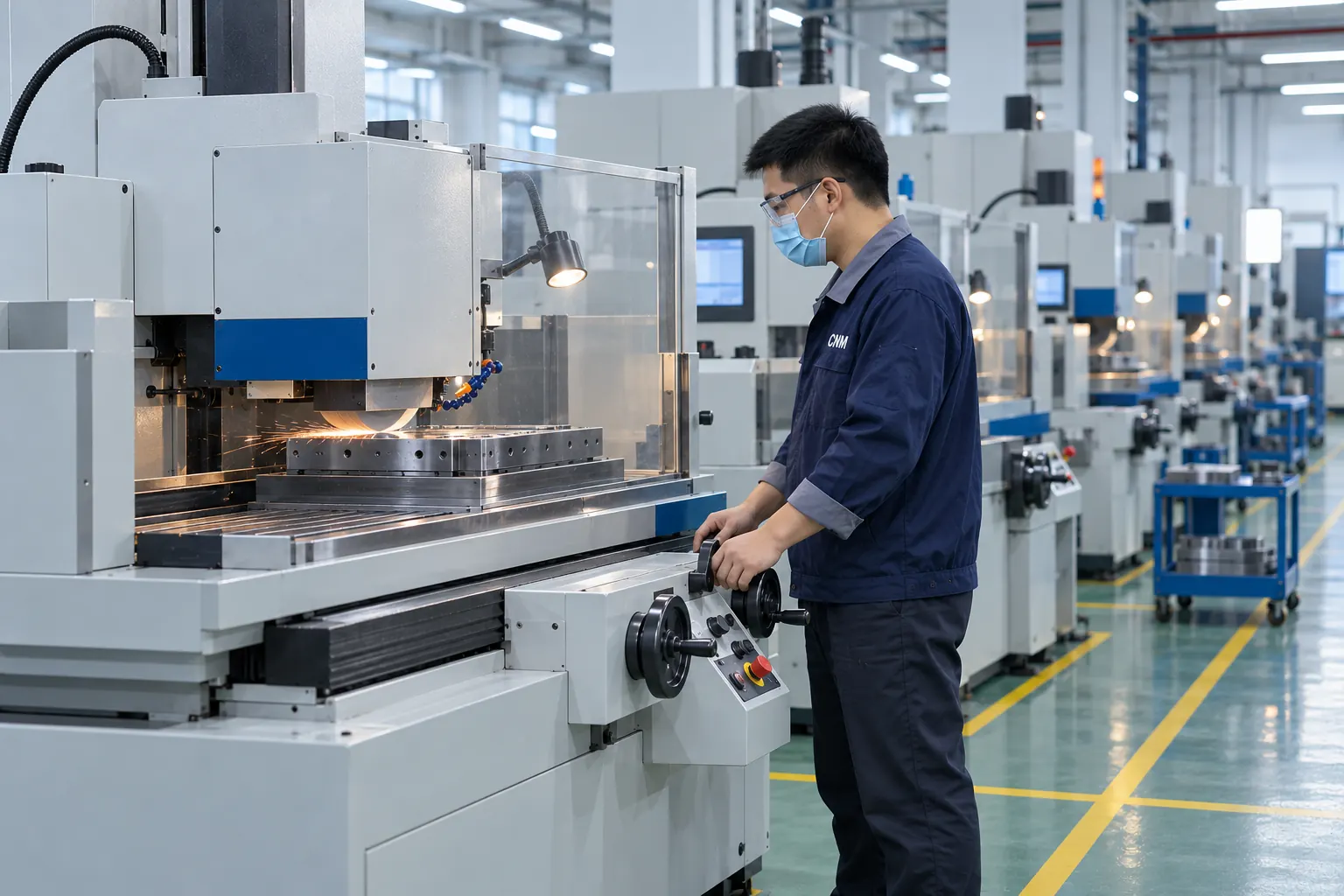
- 5. Machining: CNC, EDM, wire cutting and grinding
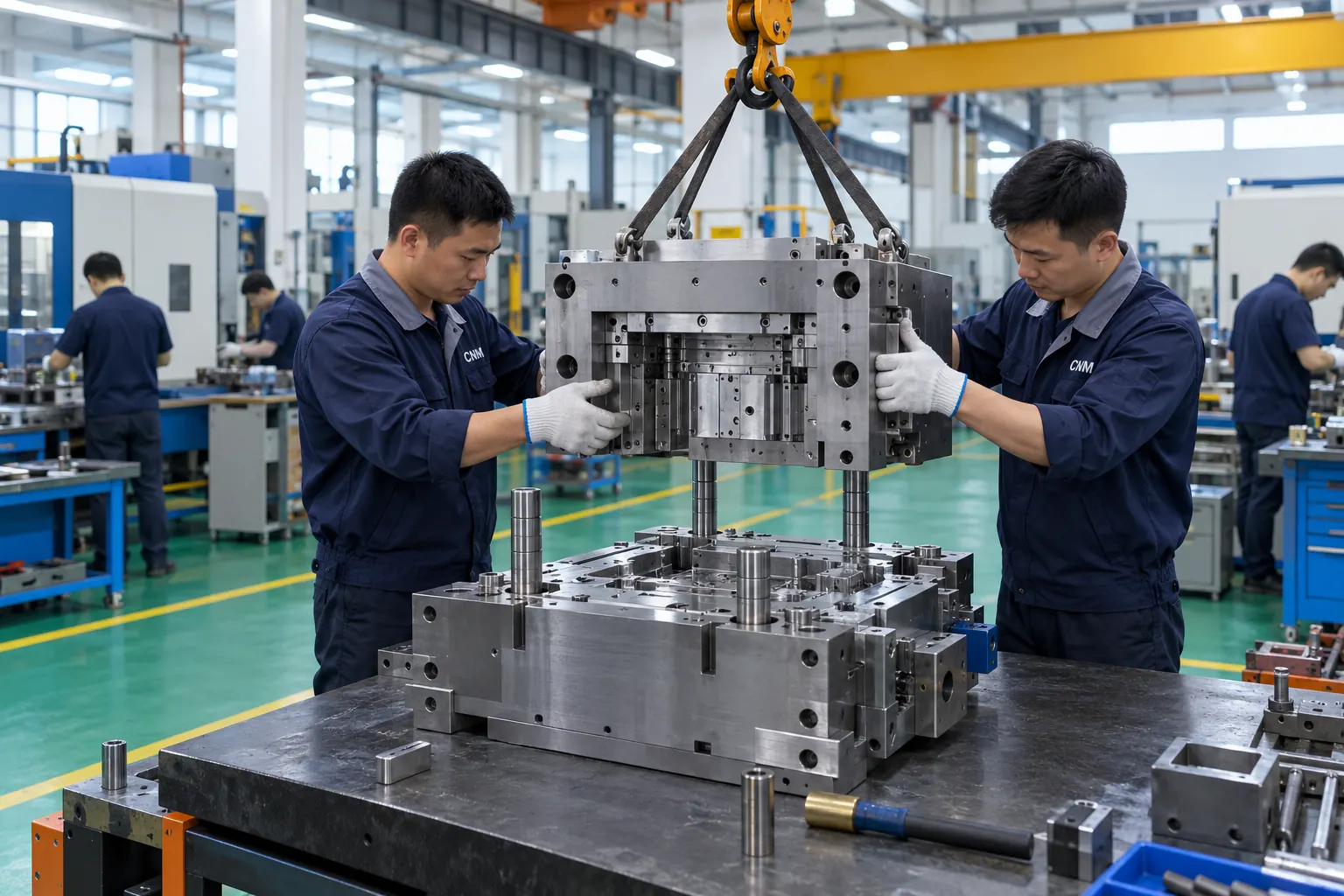
- 6. Fitting, polishing or texturing, and mould assembly
- 7. T1 trial on our presses, with samples and a dimensional report
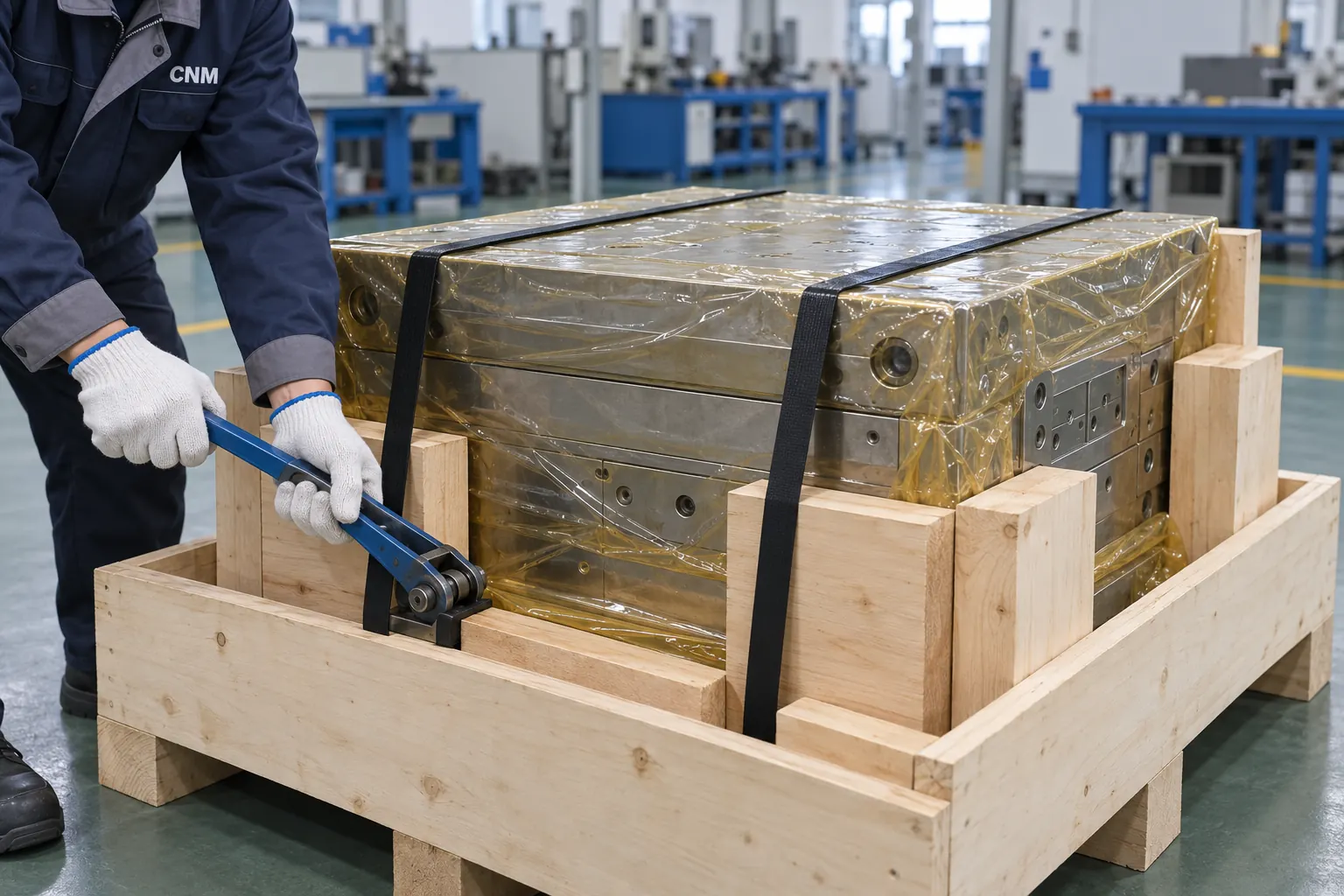
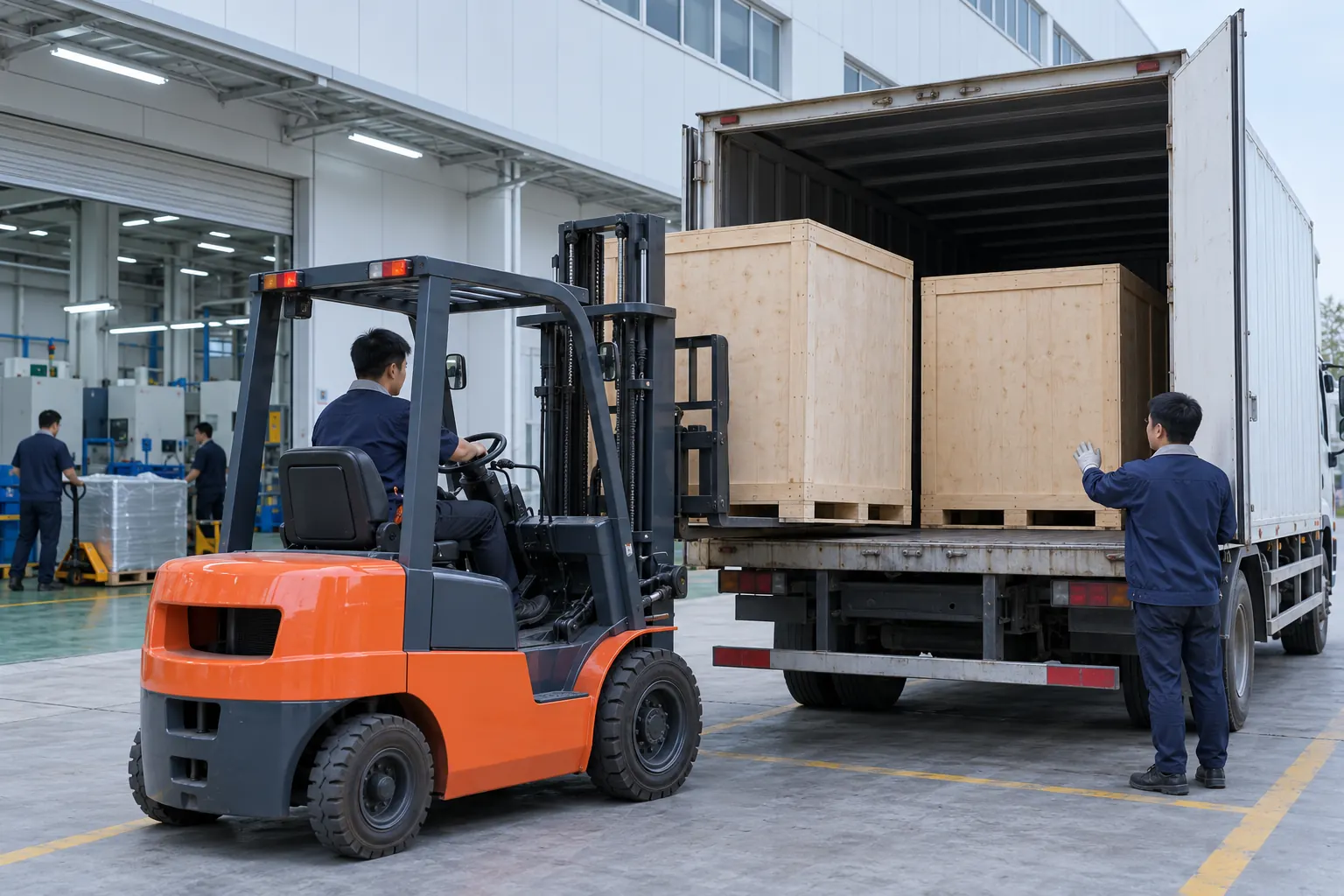
- 8. Corrections, sample approval, then production or export packing
Mould making process: FAQ
How long does it take to make an injection mould?
First T1 samples are ready in 3 to 30 days, depending on the size and complexity of the mould.
How many mould trials are needed?
Most moulds need one or two: 90% of our new moulds are approved after one or two trials. Each trial comes with samples and a dimensional report.
How will I know how the project is going?
One project engineer is your contact, and we report progress against the agreed milestones: design freeze, steel order, T1 and sample approval.
What do I receive with an export mould?
The trialled mould, packed in a wooden crate and protected against rust, with drawings, a spare parts list and trial samples.