




Answers to common questions about investment casting. For the full process, read our investment casting process guide.
Are investment casting and lost-wax casting the same?
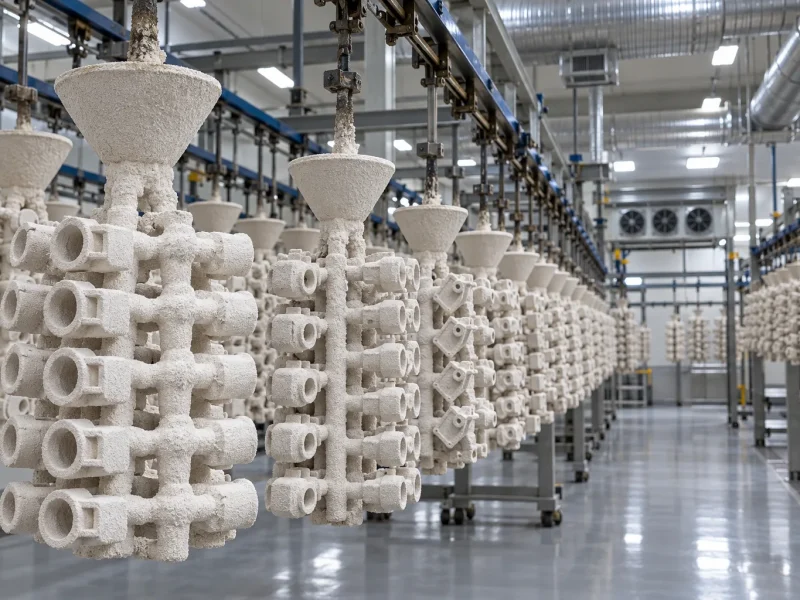
Yes. The two names describe the same process: a wax pattern is coated in a ceramic shell (the “investment”) and melted out (the “lost wax”) before the metal is poured.
What materials do you cast?
We supply investment castings in stainless, carbon and alloy steel. Tell us the grade you need, or the service conditions, and we can review it with you.
What kinds of parts suit investment casting?
Complex steel parts that would be expensive to machine, such as valve and pump components, impellers, brackets, levers and hardware.
What is the difference between silica sol and water glass casting?
They use different shell binders. Silica sol generally gives a finer surface and closer tolerances. Water glass costs less and suits parts with less demanding surface and tolerance needs.
How smooth is an investment cast surface?
Smoother than a sand casting. Surface quality depends on the shell system, alloy and size. Tell us which surfaces matter and whether they will be machined, polished or left as cast.
Do you make the wax pattern dies?
Yes, wax pattern dies are made in our own tool room.
Can you heat treat and machine the castings?
Yes. Castings can be supplied as cast or heat treated, then machined and finished to your drawing.
What do you need for a quotation?
A 3D file and drawing, the material grade, annual quantity, and any heat treatment, surface finish or inspection requirements.
Talk to our engineers
Have a part to discuss? Send your drawing or 3D file through our inquiry form – our engineers reply with a quotation and DFM suggestions.
Images are illustrative.